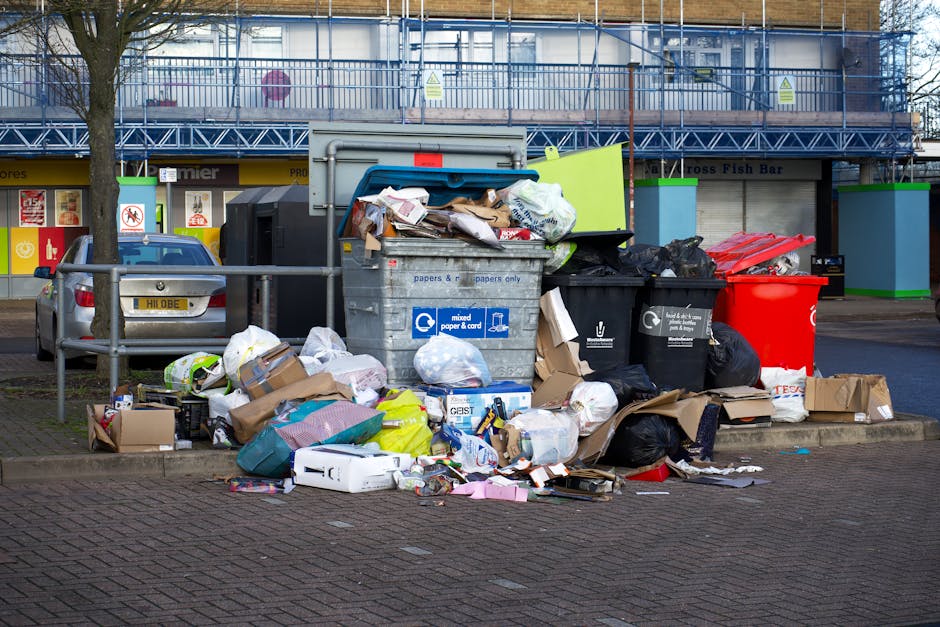
What to know when booking late night rubbish collection Bayswater

If you are trying to clear rubbish after work, after a shop refit, or once the flat finally goes quiet, late night rubbish collection in Bayswater can feel like a small lifesaver. You do not want bags sitting in a hallway until morning, you do not want a neighbour complaint at 7 a.m., and you definitely do not want to make two trips to a depot in the dark. In this guide, we will walk through what to know when booking late night rubbish collection Bayswater, how the service usually works, what to check before you confirm, and the practical details that make the difference between a smooth pickup and a stressful one.
Truth be told, night-time collections are often booked for very ordinary reasons: a busy household, a late-ending office move, a landlord handover, or a business that cannot stop operations during the day. Whatever the reason, the basics are the same: know what needs removing, know where it is stored, and know what the collector expects before they arrive. Small things. Big difference.
Why What to know when booking late night rubbish collection Bayswater Matters
Bayswater is a busy, tightly packed part of west London, and that changes how waste removal feels in practice. Streets can be narrow, parking can be awkward, and many properties sit in terraces, mansion blocks, converted flats, or mixed-use buildings where access is not always simple. By evening, people are home, deliveries are still happening, and noise is more noticeable. So if you are booking a late night collection, the details matter more than you might expect.
One of the main reasons this service matters is timing. A late pickup lets you deal with waste after the working day, after a tenant checkout, or after a retail close-down, when the space is finally clear enough to sort properly. It can also help prevent rubbish from sitting around overnight or spilling into a shared area. And let's face it, nobody wants a pile of broken cardboard, old furniture, or renovation offcuts catching the eye of everyone in the building the next morning.
It also matters because the wrong booking can create avoidable problems. If the crew cannot access the property, if items have not been separated, or if you have included restricted materials without warning, the collection may take longer or need to be rescheduled. That costs time. Sometimes money too. A bit of preparation avoids the awkward moment where you are standing in the doorway at 10:45 p.m. saying, "I thought that would fit."
For many customers, this is less about luxury and more about keeping life moving. A late night collection is often the difference between a finished job and a messy carry-over into the next day.
How What to know when booking late night rubbish collection Bayswater Works
Late night rubbish collection usually follows a straightforward pattern, though the exact process depends on the provider and the type of waste. In most cases, you describe what you need removed, choose a time window, share access details, and get a quote or booking confirmation before the team arrives.
That said, late-night jobs need clearer communication than daytime ones. The crew may be working in reduced light, building access may be restricted after hours, and neighbours are more likely to notice noise if waste is dragged, stacked, or carried poorly. A well-run booking should account for all that before anyone turns up.
Typically, the process looks like this:
- Initial enquiry: You explain the type and amount of waste, where it is located, and when you need it collected.
- Quote or estimate: The provider gives a price based on volume, weight, item type, access conditions, and timing.
- Booking confirmation: You agree the collection window and any special instructions, such as key pickup, parking, or lift access.
- Arrival and assessment: The team checks the load, confirms the scope, and starts removal.
- Loading and clearance: Waste is removed, sorted where possible, and taken away for disposal or recycling.
- Completion: You should receive a clear handover, and in good practice, an invoice or record of the work done.
For businesses, this is often planned around trading hours. For households, it may happen after a refurbishment, a move, or a big clear-out. In both cases, the booking works best when the collector knows exactly what they are walking into. That sounds obvious, but people forget it all the time.
One important point: not every item is treated the same. General rubbish, bulky waste, white goods, furniture, and potentially hazardous materials all need different handling. If you are not sure, ask before booking rather than assuming the team will sort it out on the night.
Key Benefits and Practical Advantages
There are good reasons people choose late night rubbish collection instead of waiting until morning. The first is convenience. If your day is already full, a late appointment means you do not need to interrupt work, school runs, site visits, or client meetings. You can keep your day intact and still get the space cleared.
The second is speed. Late collections are often used for urgent jobs where waste needs to be gone quickly. Think of a shop floor reset, an end-of-tenancy situation, a flat clearance, or a last-minute move. When a room is cluttered with bags and broken items, it is hard to think straight. Once it is cleared, everything feels calmer. You notice the floor again. The light feels better. Slightly silly, maybe, but true.
Another advantage is reduced disruption. For some properties, evening or night-time is simply the least disruptive window. Office spaces are empty. Residential buildings are quieter. Loading waste outside business hours can reduce friction with staff, clients, or residents, provided the collection is handled respectfully.
There is also a practical access benefit. In Bayswater, parking and manoeuvring can be easier later in the day in some streets, though that is not guaranteed. If your property has a loading bay, forecourt, service entrance, or concierge arrangement, a late slot may fit better with building rules. That can save a lot of back-and-forth.
Key takeaway: the best late night booking is not just about finding someone who can arrive late. It is about making sure the job can be completed cleanly, safely, quietly, and without surprise charges.
Who This Is For and When It Makes Sense
Late night collection is not for every situation, but it is useful in more cases than people think. It tends to make sense when the waste is ready, the access is known, and the collection needs to happen outside normal hours.
Households and flat residents
If you live in a flat or shared building, a late pickup can be a relief. You may have limited space for temporary storage, and you may not want bags sitting in a communal corridor. It is especially handy after a declutter, furniture replacement, or end-of-tenancy clean.
Landlords and letting agents
Between tenants, timing is everything. There is usually a short window to remove leftovers, broken items, or abandoned belongings. A late collection helps when keys are only available after check-out or when maintenance work finishes late. If the job includes mixed items, a service such as house clearance or flat clearance may be more suitable than a simple one-item pickup.
Offices and commercial premises
Businesses often choose evening collections to avoid interrupting staff or visitors. Office clear-outs, archive disposal, and old furniture removal are common examples. If the waste includes confidential documents, a dedicated service such as confidential shredding can be a useful add-on.
Shops, hospitality venues, and short-notice jobs
If you run a venue or retail space, late collection can help after refits, stock rotation, or seasonal clear-downs. It keeps waste from blocking trading space and avoids the awkward sight of packaging and packaging and more packaging stacked up while customers are still nearby.
Builders and property teams
For small refurbishments and fit-outs, late collection is often a practical end-of-day clean-up. If your waste includes heavier construction debris, builders waste clearance may fit better than a general rubbish pickup.
So when does it make sense? Usually when one or more of these are true: the site is busy during the day, access is better later on, the rubbish needs to go urgently, or you simply want the job completed before the next working morning. Simple enough.
Step-by-Step Guidance
If you want a smooth late-night collection, the best thing you can do is plan the job in layers. Not complicated. Just practical.
1. Identify exactly what needs removing
Walk through the space and list the items or waste types. Separate general rubbish from bulky items, appliances, cardboard, garden waste, and anything you are unsure about. A quick photo can help if you are booking by phone or online.
2. Check access before you book
Think about stairs, lifts, narrow entrances, parking, gate codes, concierge hours, and whether the team can park close enough to load efficiently. Late at night, poor access becomes more noticeable because there is less margin for delays.
3. Ask about restricted or specialist items
Some materials need extra care. Refrigerators, mattresses, sofas, paint, chemicals, sharp objects, and mixed building waste may all have special handling requirements. If you are unsure, ask. It saves hassle later and helps the provider quote accurately.
4. Confirm timing and arrival window
"Late night" can mean different things to different companies. For one provider, it may mean 7 p.m. to 10 p.m. For another, it may stretch later. Make sure the arrival window suits your building rules and neighbour sensitivity. If the crew needs to call before arrival, say so.
5. Prepare the waste for fast loading
Stack items in one place if possible. Keep walkways clear. Remove personal belongings from furniture. If bags are used, check that they are tied securely and not overfilled. A tidy setup helps the crew work faster, which is especially helpful when the light is fading and everyone just wants the job done.
6. Confirm pricing and what is included
Before you agree, ask what the quote covers: labour, loading, disposal, congestion or parking considerations, heavy lifting, and extra items if the volume changes on arrival. For pricing guidance and booking expectations, it can help to review pricing and quotes before you commit.
7. Make sure someone is reachable
Even if the work is unattended, there should be a contact person who can answer questions. Late-night jobs can stall if the crew cannot confirm what stays and what goes.
8. Ask for proof of completion if you need it
Businesses, landlords, and managing agents may want a record of the collection. Keep the confirmation, invoice, or job notes. It is one of those small admin steps that feels boring at the time and very useful later.
Expert Tips for Better Results
After enough collections, certain patterns become obvious. The smoother jobs are rarely the most complicated ones. They are the best prepared.
Tip 1: photograph the waste before the team arrives. It helps avoid confusion about item count, access, and whether anything has been added last minute. Not glamorous, but useful.
Tip 2: tell the provider about noise-sensitive settings. If you are in a gated block, hotel-style building, or quiet residential street, mention it. Crews can plan how they carry and stage items more discreetly.
Tip 3: separate awkward items early. A mattress hidden behind three wardrobes will slow everything down. So will a fridge tucked in a corner with no clear route out. You know the feeling when you spot the one thing you forgot to move? Better to avoid that moment.
Tip 4: leave a little buffer around the booking time. Traffic, access delays, and building handover issues happen. They just do. A fifteen-minute buffer can save a lot of stress.
Tip 5: ask how recyclable items are handled. If sustainability matters to you, this is worth discussing. Some waste streams can be diverted more easily than others. Providers that talk clearly about sorting and recycling usually make better partners for repeat jobs. For more on this approach, see recycling and sustainability.
Tip 6: keep the route lit. If the collection is late and the area is dim, turn on corridor or external lights where allowed. It makes the handover safer and faster. A small thing, but very sensible.
Tip 7: use the right service for the waste type. A general rubbish collection is not always the best fit. Furniture, appliances, loft clutter, and garden waste may be better served by specialist services such as furniture disposal, fridge and appliance removal, or garden clearance.
One last thing: if a quote feels unusually vague, ask more questions. A good provider should be able to explain the job in plain English. No mystery, no smoke, no theatrical sighing over a staircase.
Common Mistakes to Avoid
Late night collections go wrong for a few familiar reasons. Most are preventable.
- Underestimating the amount of waste. A few bags can turn into a van-full quickly, especially after a clear-out.
- Forgetting access details. Gates, codes, lifts, parking restrictions, and concierge rules all matter after hours.
- Leaving mixed waste unsorted. A provider may need to separate materials before loading, which slows the job.
- Not checking item restrictions. Hazardous or specialist waste should always be declared first.
- Assuming every quote includes everything. Ask whether labour, disposal, and heavy lifting are all included.
- Blocking the route to the waste. It sounds minor. It is not. A blocked hallway can add real time to a night job.
- Booking too late for building rules. Some properties have quiet hours or resident restrictions, even if the street itself is busy.
The sneaky mistake, honestly, is thinking the job is "just rubbish." It rarely is. It is rubbish, access, timing, neighbours, and logistics all at once. Not hard, but it needs a bit of care.
Tools, Resources and Recommendations
You do not need fancy equipment to prepare for late night rubbish collection, but a few simple tools make life easier.
- Bin bags or rubble sacks: useful for loose waste, packaging, and smaller items.
- Tape, labels, or marker pens: good for marking items that must stay or need special handling.
- Flashlight or phone torch: handy for dim stairwells, back entrances, and basements.
- Gloves: sensible for sorting sharp packaging, splinters, or dusty storage items.
- Tape measure: helpful if you are unsure whether furniture or appliances will fit through doors.
- Camera phone: useful for recording the waste before removal, especially for landlords and businesses.
For service planning, a few pages on the site can help you match the job to the right collection type. If you are clearing an office after hours, take a look at office clearance. If you are dealing with stored clutter in a loft, loft clearance may be the better fit. And if you need a broader overview of what the company handles, waste removal gives a useful starting point.
Sometimes the best resource is simply a short, honest conversation before the appointment. Five minutes on the phone can save half an hour of confusion later. That is not fancy advice, just practical.
Law, Compliance, Standards, or Best Practice
With rubbish removal, good practice matters. You do not need to become an expert in waste law to book a collection, but you should expect the provider to handle waste responsibly and lawfully. In the UK, that generally means using appropriate carriers, transporting waste safely, and keeping unsuitable materials separate from general waste streams where required.
For customers, the main thing is to be accurate and honest about what you are handing over. If a load contains potentially hazardous items, electricals, confidential documents, or materials that could need special treatment, say so early. That protects you, the crew, and anyone handling the waste after it leaves the property.
If your job involves items that may pose risk, such as chemicals, damaged sharps, or other hazardous materials, use a service that is set up for that kind of collection. A dedicated option like hazardous waste disposal is more appropriate than a general rubbish pickup.
It is also worth paying attention to insurance and safety. A professional crew should be able to explain how they handle lifting, access, and property protection, especially in shared or awkward buildings. If you want to know more about those standards, the site's insurance and safety information is the right place to start, along with the health and safety policy.
Best practice also includes being considerate with neighbours. Late-night work should be carried out as quietly and efficiently as the setting allows. That means sensible loading, no unnecessary noise, and clear communication where building rules apply. A good provider knows this already, but it helps when the customer does too.
Options, Methods, or Comparison Table
There is more than one way to handle rubbish after hours. The right choice depends on the amount, type, urgency, and how much labour you want to avoid. Here is a simple comparison to help you decide.
| Option | Best for | Advantages | Watch-outs |
|---|---|---|---|
| Late night rubbish collection | Urgent jobs, mixed household waste, after-hours clear-outs | Fast, convenient, minimal disruption to the day | Needs clear access and accurate item details |
| Scheduled daytime collection | Flexible homeowners and businesses | Easy to coordinate, often simpler for building access | Can disrupt trading, meetings, or residents |
| Self-loading vehicle hire | People with time, labour, and transport support | Can work well for repeated loads | Requires lifting, driving, and disposal planning |
| Skip-style solution | Longer projects with ongoing waste generation | Useful for renovation or major clear-outs | Needs space, permits may apply, and access can be awkward |
For many Bayswater properties, a direct collection is the most convenient option because space is limited and access can be tricky. If you are still deciding between collection styles, articles such as why rubbish removal bags are outshining traditional skips can help you think through the trade-offs.
There is no single perfect answer here. The best method is the one that fits your building, your timing, and the kind of waste you actually have.
Case Study or Real-World Example
A typical late-night Bayswater job might look like this: a small flat near Queensway has just finished a room refresh, and the hallway is full of dismantled shelving, flattened boxes, a worn-out armchair, and a few bags of mixed clutter. The resident works full-time and cannot take the morning off. The building has limited daytime access, but a late slot is available after most neighbours are home and the lift is less busy.
Before booking, the resident sends photos, confirms stair and lift access, and notes that the front entrance closes at 10 p.m. The provider arranges a narrow time window, checks which items are reusable, and confirms that nothing hazardous is included. On the night, the crew arrives with the right lighting, loads the items quickly, and keeps noise down while moving through the common area. The whole thing is finished before late-night foot traffic becomes an issue.
What made it work? A few plain things: accurate item details, realistic access notes, and a booking window that matched the property. No drama. No awkward surprises. Just a clean result.
By contrast, the same job would have been messier if the resident had waited until the last minute to mention the lift closure, or had forgotten about the bulky armchair until the van arrived. That is the sort of detail that turns a simple collection into a longer evening than anyone planned.
Practical Checklist
Use this checklist before your late-night collection to keep things tidy and straightforward.
- Confirm exactly what needs to be removed.
- Check whether any items need specialist handling.
- Take photos if the load is large or mixed.
- Share access details, including codes and parking notes.
- Make sure the route from the waste to the exit is clear.
- Separate items that are staying from items that are going.
- Ask about the timing window and whether the team will call ahead.
- Confirm what is included in the price.
- Check whether the building has quiet-hour restrictions.
- Keep your contact phone available during the collection.
- Have a torch or good lighting ready if needed.
- Save the booking confirmation and any completion record.
If you want to reduce the chance of confusion, pair the checklist with a short message to the provider summarising the job. One short note can do a lot of heavy lifting, oddly enough.
Conclusion
What to know when booking late night rubbish collection Bayswater comes down to a few practical truths: be clear about the waste, be honest about access, confirm the timing, and choose the right type of service for the job. When those pieces line up, the collection feels easy. Almost boring, in the best possible way.
Late-night rubbish removal is especially useful in Bayswater because the area rewards good planning. Tight access, shared buildings, busy roads, and evening noise sensitivity all mean that a little preparation goes a long way. If you take the time to sort the load, share useful details, and ask the right questions, you are far more likely to get a calm, efficient result.
And that is usually what people really want: not just waste gone, but one less thing hanging over the next day.
Get a free quote today and see how much you can save.
Frequently Asked Questions
What counts as late night rubbish collection in Bayswater?
It usually means an after-hours collection arranged for the evening or later part of the day, but the exact time window depends on the provider. Always check the arrival slot before booking so it matches your building rules and noise expectations.
How much notice do I need to give for a late-night collection?
That depends on the provider and how busy they are. For straightforward jobs, short notice may sometimes be possible, but it is always better to book early if you can. The more complex the access or waste type, the more notice helps.
Can I book late night rubbish collection for a flat in a shared building?
Yes, provided access is arranged properly. Flats and shared buildings are common use cases. You will need to think about lift access, stairways, entry codes, and neighbour noise, especially if the collection is very late.
What types of rubbish can usually be collected at night?
General household waste, bulky items, furniture, cardboard, office clutter, and many non-hazardous items are commonly collected. If your load includes appliances, paint, chemicals, or other specialist materials, ask first because those may need different handling.
Is late night rubbish collection more expensive?
It can be, depending on the provider, timing, and job complexity. Late-night work may involve extra labour or scheduling considerations. The safest approach is to ask for a clear quote and check exactly what is included.
Will the crew take items from inside my property?
Often yes, but this depends on the service and the access conditions. If the items are upstairs, in a loft, or tucked into a tight space, mention that when you book so the team knows what to expect.
What should I do if I have mixed waste and furniture together?
Tell the provider in advance and, if possible, separate the load a little before they arrive. Mixed waste is common, but the clearer your description is, the easier it is to quote and remove efficiently.
Do I need to be present for the collection?
Not always, but it depends on the access setup. If the crew needs keys, codes, or final approval on what is being removed, then someone should be reachable. For unattended jobs, make sure instructions are very clear.
How do I know if a quote is fair?
A fair quote should be easy to understand and should explain what the price covers. If the estimate is vague or full of hidden add-ons, ask for clarification. Clear pricing is usually a good sign.
Can businesses use late night rubbish collection for office clear-outs?
Yes, and it is often a practical choice. Late-night office collections reduce disruption during business hours and can be especially useful after a move, refurb, or archive clean-up. For office-specific work, business waste removal and office clearance are useful services to consider.
What happens to the waste after it is collected?
That depends on the type of waste and the provider's handling process. In good practice, items are sorted where possible so recyclable materials can be separated from general waste. If sustainability matters to you, ask how the load will be processed.
What if I am not sure whether an item is allowed?
Ask before the booking, not during the pickup. It saves time and avoids surprises. If you have one awkward item and several straightforward ones, mention the awkward one clearly so it can be dealt with properly.
Where can I find more information or arrange a collection?
You can review the service pages, explore pricing details, or use the booking option on the site. If you want to understand the company a little better before arranging anything, the about us page is a good place to start, and the book online page is useful when you are ready to move ahead.